
CELEBRITY
BREAKING NEWS: Kansas City Chiefs tight end Travis Kelce stunned an elite audience with a message no one expected—and then reinforced it with decisive action. At a black-tie charity gala in Kansas City, surrounded by Fortune 500 executives, top NFL donors, and celebrities, Kelce stepped onstage to accept the National Community Impact Award. What followed was anything but a routine acceptance speech. He skipped polished pleasantries and spoke directly to the room’s power brokers. “If you are blessed with success, use it to lift others,” he said. “No one should celebrate victories while children lack opportunity. If you have more than you need, it doesn’t truly belong to you—it belongs to those who need hope.” The ballroom fell silent. Guests described a frozen moment—no applause, no smiles—just the weight of uncomfortable truth hanging in the air. Kelce wasn’t criticizing wealth; he was calling for responsibility. And he didn’t stop at words. That night, he announced he is donating all of his endorsement and off-field earnings this season to fund after-school programs, tutoring centers, and scholarships for underserved kids in Kansas City and his hometown communities—proving leadership means showing up, not just speaking out.

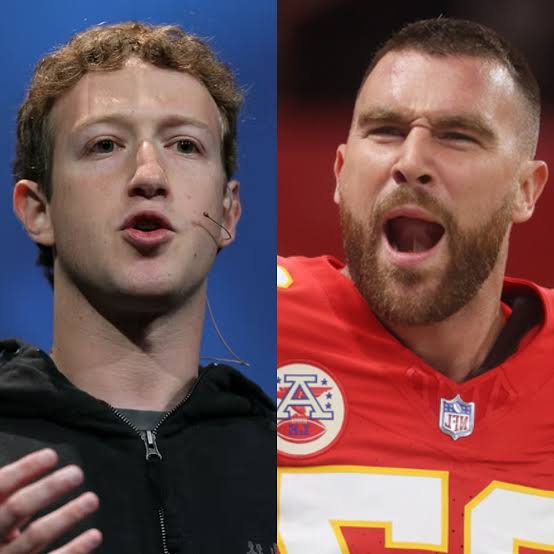
Kansas City Chiefs tight end Travis Kelce turned a glittering charity gala into a moment of reckoning this week, delivering an unscripted message that stunned a room filled with some of the nation’s most powerful business leaders—and then backing it up with a major personal commitment.
The black-tie event, held in downtown Kansas City, drew Fortune 500 executives, prominent NFL donors, civic leaders, and celebrities. Kelce was on hand to receive the National Community Impact Award, an honor recognizing his ongoing involvement in youth and community development initiatives. Many expected a polished, carefully worded acceptance speech. Instead, they got something far more direct.
Taking the stage, Kelce skipped the usual roll call of sponsors and accolades. He spoke plainly, addressing the responsibility that comes with wealth and influence.
“If you are blessed with success, use it to lift others,” Kelce said. “No one should celebrate victories while children have no opportunities. If you have more than you need, it’s not truly yours—it belongs to those who need hope.”
According to attendees, the ballroom fell into an immediate and uneasy silence. Applause did not come right away. Several high-profile guests appeared visibly caught off guard as Kelce’s words lingered in the air, challenging a room accustomed to comfort and affirmation rather than confrontation.
What followed made the message impossible to dismiss.
Kelce announced that he will donate all of his endorsement and off-field earnings from the current season to fund after-school programs, tutoring centers, and college scholarship initiatives for underserved children in Kansas City, as well as in the communities where he grew up. The announcement drew a standing ovation—this time without hesitation.
Those close to Kelce say the move reflects long-held values rather than a spontaneous gesture. Over the years, he has quietly supported youth programs, educational initiatives, and community outreach through his foundation, often avoiding publicity. This latest commitment, however, was intentionally public.
“He wasn’t trying to impress anyone,” said one attendee. “It felt like he was holding a mirror up to the room—including himself.”
In a sports world where philanthropy is often packaged as branding, Kelce’s remarks stood out for their bluntness. He did not frame generosity as optional or heroic, but as a moral obligation tied to privilege.
By the end of the evening, the gala had shifted in tone. Conversations turned from networking and celebration to funding gaps, access to education, and long-term impact. Several donors reportedly pledged additional support to youth-focused programs following Kelce’s announcement.
Kelce left the event without fanfare, but his message lingered well after the lights dimmed—an unmistakable reminder that leadership is measured not by applause, but by what one is willing to give up for others.










📢 TOP STORY: A fearless decision by Jackie Chan sent shockwaves through a film set when a high-risk stunt went terrifyingly wrong, turning controlled choreography into real danger within seconds. Witnesses say the legendary action star insisted on performing the sequence himself, pushing past concerns in a move that reflected both his trademark courage and the razor-thin line between spectacle and catastrophe. What followed was chaos—crew members rushing in, filming abruptly halted, and stunned silence replacing the usual buzz of production. The incident has reignited intense debate about risk, age, and the relentless standards Chan has held himself to for decades. Fans worldwide are now grappling with the same question echoing through the industry: has the icon finally reached a moment where bravery carries an unforgiving cost? 👉 Read the full story 👇👇

The CNN town hall was meant to be ordinary—until Donald Trump detonated the moment. On live television, he insulted Michelle Obama, calling her “dumb.” The room went cold. Social media exploded. CNN rushed to commercial. But the real response came fast. Within an hour, Congresswoman Jasmine Crockett was live on MSNBC—and she didn’t blink. She laid out Michelle Obama’s credentials: Princeton. Harvard. Global leadership. Then she turned the spotlight back on Trump, asking the question everyone was thinking: why does he fear intelligent, accomplished Black women? The clips went viral instantly. Interview after interview, Crockett dismantled Trump’s record—failed ventures, court battles, scandals—stacking them against Michelle Obama’s achievements. Then she delivered the line that stopped everything: “You think she’s dumb? Debate her. Name the time, topic, and place.” The challenge trended worldwide. Trump’s team went silent. Days later, the answer came. He wouldn’t debate. Analysts called it a retreat. Crockett became a national force. Her message was clear: bullies crumble when challenged.

BREAKING NEWS: Kansas City Chiefs tight end Travis Kelce stunned an elite audience with a message no one expected—and then reinforced it with decisive action. At a black-tie charity gala in Kansas City, surrounded by Fortune 500 executives, top NFL donors, and celebrities, Kelce stepped onstage to accept the National Community Impact Award. What followed was anything but a routine acceptance speech. He skipped polished pleasantries and spoke directly to the room’s power brokers. “If you are blessed with success, use it to lift others,” he said. “No one should celebrate victories while children lack opportunity. If you have more than you need, it doesn’t truly belong to you—it belongs to those who need hope.” The ballroom fell silent. Guests described a frozen moment—no applause, no smiles—just the weight of uncomfortable truth hanging in the air. Kelce wasn’t criticizing wealth; he was calling for responsibility. And he didn’t stop at words. That night, he announced he is donating all of his endorsement and off-field earnings this season to fund after-school programs, tutoring centers, and scholarships for underserved kids in Kansas City and his hometown communities—proving leadership means showing up, not just speaking out.

Shock. Silence. Fear. The NFL world froze as Kansas City Chiefs quarterback Patrick Mahomes collapsed on the field, a reported torn ACL ending a crushing playoff loss. The stadium’s roar died in an instant. Chiefs Kingdom—and the entire league—was left gasping, watching a leader, a warrior, one of football’s fiercest competitors, fall. Hours later, Mahomes spoke. Short. Sharp. Unshakable: “God’s plan is bigger than this moment. I appreciate all the love. I’ll attack this recovery the same way I attack everything—with faith, focus, and determination.” The words cut through the shock, a beacon of calm amid chaos. Social media exploded—teammates, former players, coaches, fans—all rallying, praying, reminding the world: setbacks do not define greatness; resilience does. Inside the locker room, silence gave way to unity. A team bound by one goal: fight for their quarterback. The season hangs in the balance, but one truth remains undeniable—Patrick Mahomes may be down, but he is far from finished.

BREAKING: Patrick Mahomes shocked a full charity hall with a sharp, unexpected message aimed at Donald Trump—just hours after the Kansas City Chiefs lost in the playoffs. Speaking for the victims of the Bondi Beach attack, Mahomes had everyone’s attention. “While families are choosing between food and medicine,” he said, “he’s busy picking chandeliers.” The words hit hard. Then came the line that froze the crowd: “If you can’t see a doctor, don’t worry—he’ll save you a dance in his ballroom.” Calm but firm, Mahomes continued: “America doesn’t need another ballroom. We need a backbone.” The room rose to its feet, cheering for nearly a minute. Videos went viral, with fans calling him “the people’s voice—strong, steady, impossible to ignore.” As Mahomes stepped away, he paused and looked back, ready to say more. Silence fell. Whispers spread. Everyone leaned in, waiting. The tension was electric, as if something big was about to happen.

“Taylor Swift’s SECRET European City Love—Travis Reveals Where They Might Live! Fans are buzzing after Travis Kelce seemingly dropped a major hint about Taylor Swift’s favorite European city—and it might be the place the couple plans to call home. During a recent conversation, Travis let something slip that instantly sent Swifties into full detective mode, speculating about where Taylor feels most at peace abroad. Sources close to the couple say Taylor has long had a deep emotional connection to this city, finding inspiration, privacy, and romance there. With whispers about a future together growing louder, fans are now wondering if this hidden European love could become the next chapter in Taylor and Travis’ story. Social media is already on fire as fans analyze every clue and past lyric for hints about the mystery location. Full story 👇”

Shockwaves hit Washington as ICE reportedly demanded proof of citizenship from Ilhan Omar’s son. A routine check spiraled into a political firestorm, raising urgent questions about power, profiling, and who truly belongs. As silence followed, allies braced for fallout—and critics waited, sensing a storm far from over this December night.

Jaden Smith Meets Willow Smith’s Baby for the First Time, A Heartwarming Family Moment. Full story in comments 👇

💥 CBS HOST PANICS as She REALIZES T.R.U.M.P Was RIGHT About ILHAN OMAR — A Live-TV Scandal EXPLODES and Washington FREEZES ⚡ What began as a routine Sunday interview detonated on live television. Viewers watched the moment the CBS host’s confidence cracked as revelations about ILHAN OMAR forced an unthinkable realization: T.R.U.M.P might have been right. The host stumbled, her tone tightened, and Omar deflected while growing uncomfortable. Within minutes, clips spread everywhere, sparking outrage, debate, and disbelief. Insiders claimed producers panicked, scrambling off-camera as the segment veered off script. Now Washington buzzes, CBS faces damage control, and the viral clip keeps exploding online.… the internet can’t stop talking. 👇🔥

The moment fans noticed Nicki Nicole quietly unfollowing Lamine Yamal, the internet went silent—then exploded. What looked like a brief, fiery romance between the rising football star and the chart-topping singer has now collapsed in a way no one expected. Sources close to the pair say everything shifted after a sudden change in Nicki’s behavior during a private event, something even Lamine’s teammates reportedly saw but chose not to comment on. Within hours, their playful posts vanished, replaced by a trail of cryptic gestures that sent fans into full investigation mode. Whether this was a misunderstanding, a hidden conflict, or a decision long in the making, one thing is clear: the breakup isn’t the twist—her unexpected reaction is. And that’s the part everyone’s talking about right now. 👉 Read the full story in the comments.

At 55, Jennifer Lopez is stepping into a chapter few expected—one marked not by heartbreak alone, but by quiet strength and renewal. In the wake of her highly publicized divorce from Ben Affleck, a heartfelt update shared by her family has shifted the narrative, revealing a woman choosing growth over grief. According to those closest to her, this period has become deeply transformative, filled with reflection, resilience, and a renewed sense of purpose that goes far beyond headlines. Fans were moved by the contrast between the pain of a love ending and the clarity that followed, as Lopez reportedly leaned into family, self-worth, and long-delayed personal goals. The update has sparked fresh admiration, suggesting this may be one of the most defining moments of her life yet. But what exactly is changing behind the scenes—and where is she headed next? 👉 Read the full story in the comments 👇👇
